By Leen Shami
How Careem Pay Achieved 35% Lower Remittance Processing Costs
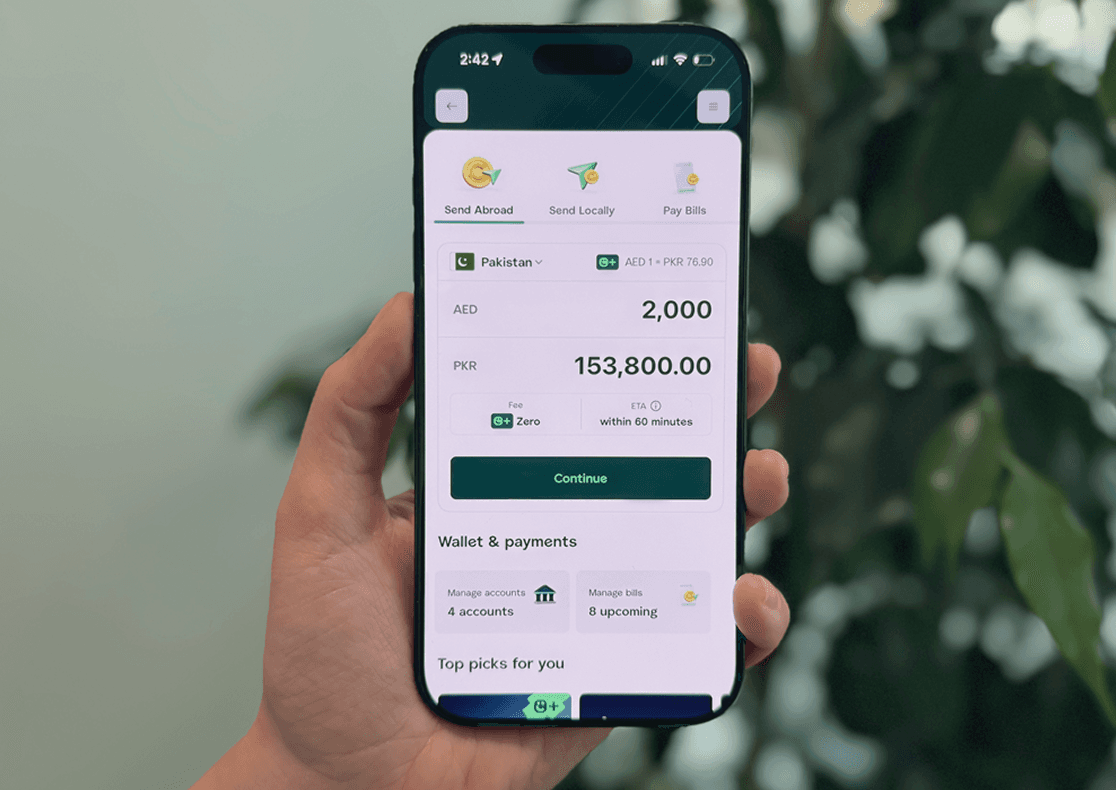
Careem Pay is the financial services arm of Careem, one of the region’s most recognized consumer digital platforms. With millions of users relying on Careem daily, Careem Pay is building financial products that make it easier to send and manage money across MENA through seamless P2P and international transfers, bill payments, and other digital wallet services.
Reduction in payment processing costs
Payment success rate improvement for high-value transactions
Careem Pay is the financial services arm of Careem, one of the region’s most recognized consumer digital platforms. With millions of users relying on Careem daily, Careem Pay is building financial products that make it easier to send and manage money across MENA through seamless P2P and international transfers, bill payments, and other digital wallet services.
Careem Pay facilitates money transfers to some of the largest remittance corridors in the world, including India, Pakistan, the UK, Europe, and the Philippines, providing a quick and simple way to support families, manage finances, or contribute to investments abroad.
The Challenge
Remittances are central to Careem Pay’s offering. While the service was already serving millions of customers, funding these transfers through traditional card-based methods left room for improvement:
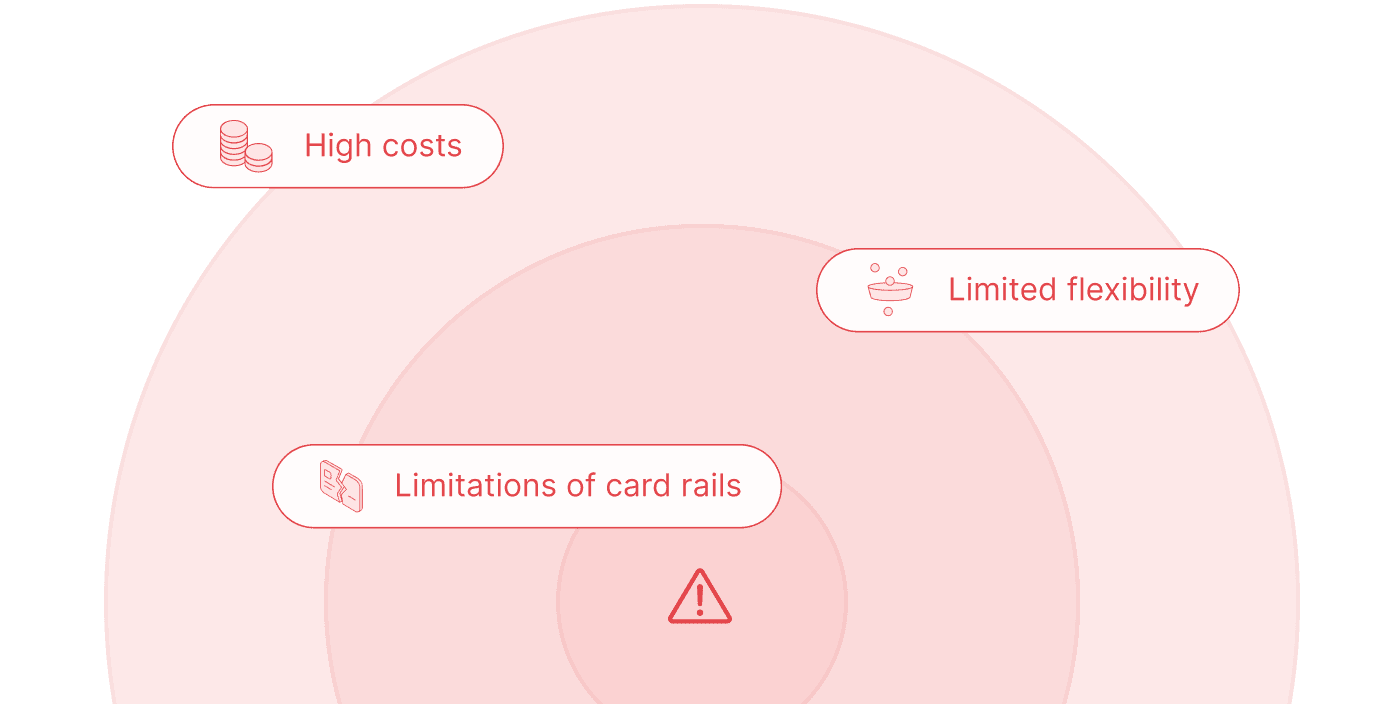
1. High costs:
Card-based transactions carried high processing fees. Careem absorbed these costs to keep remittances affordable for customers, creating a growing expense for the business.
2. Limitations of card rails for large transactions:
When processing higher-value payments, traditional card networks often introduced friction, such as failed or blocked transactions, leading to inconsistent success rates.
3. Limited flexibility:
Careem Pay wanted a solution that could scale across use cases beyond just remittances.
The Solution
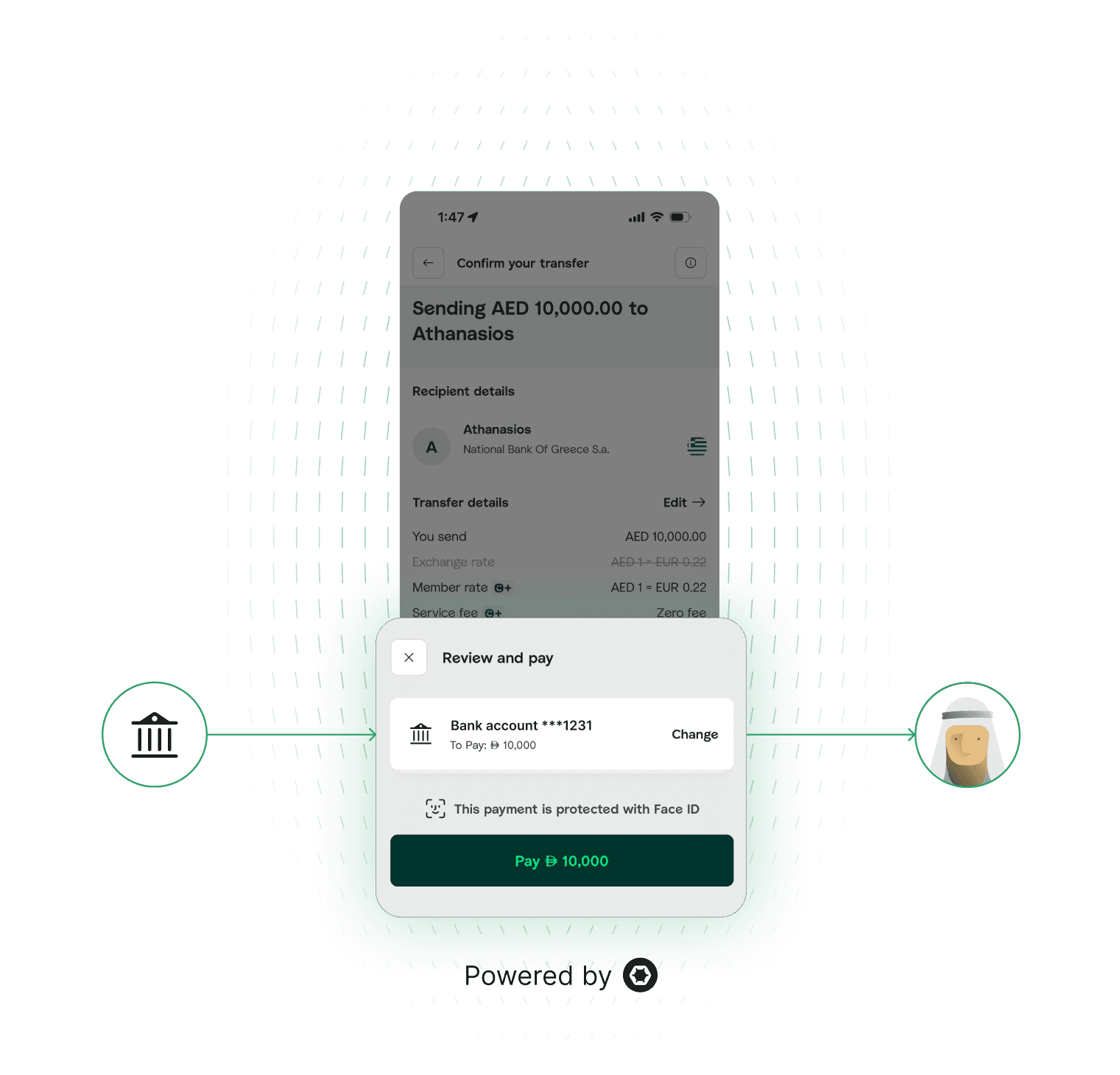
Careem Pay partnered with Lean to replace costly, unreliable card payments with automated, instant bank-to-bank payments:
Pay-by-Bank (A2A payments): Careem customers can now link their bank accounts and fund remittances directly within Careem Pay. This removes reliance on cards, delivering a smoother, and more cost-effective solution for Careem and their customers.
The Results
Reduction in payment processing costs
By moving remittances from cards to Lean's Pay-by-Bank, Careem reduced processing costs by 35%. The savings can now be reinvested into what matters most: delivering a better experience for customers.
Payment success rate improvement for high-value transactions
By integrating Lean’s Pay-by-Bank, Careem improved the success rate of high-value transactions by 10–12%. Customers can now send larger remittances with greater reliability and confidence.
Next Phase: Expanding Pay-by-Bank across Careem
Building on the success in remittances, Careem and Lean are extending the same infrastructure benefits to new use cases. Upcoming initiatives include: wallet top-ups via Pay-by-Bank, streamlined account verification for faster onboarding, and automated refunds and payouts. This paves the way for full end-to-end payment automation within Careem’s financial services stack.
Continue reading